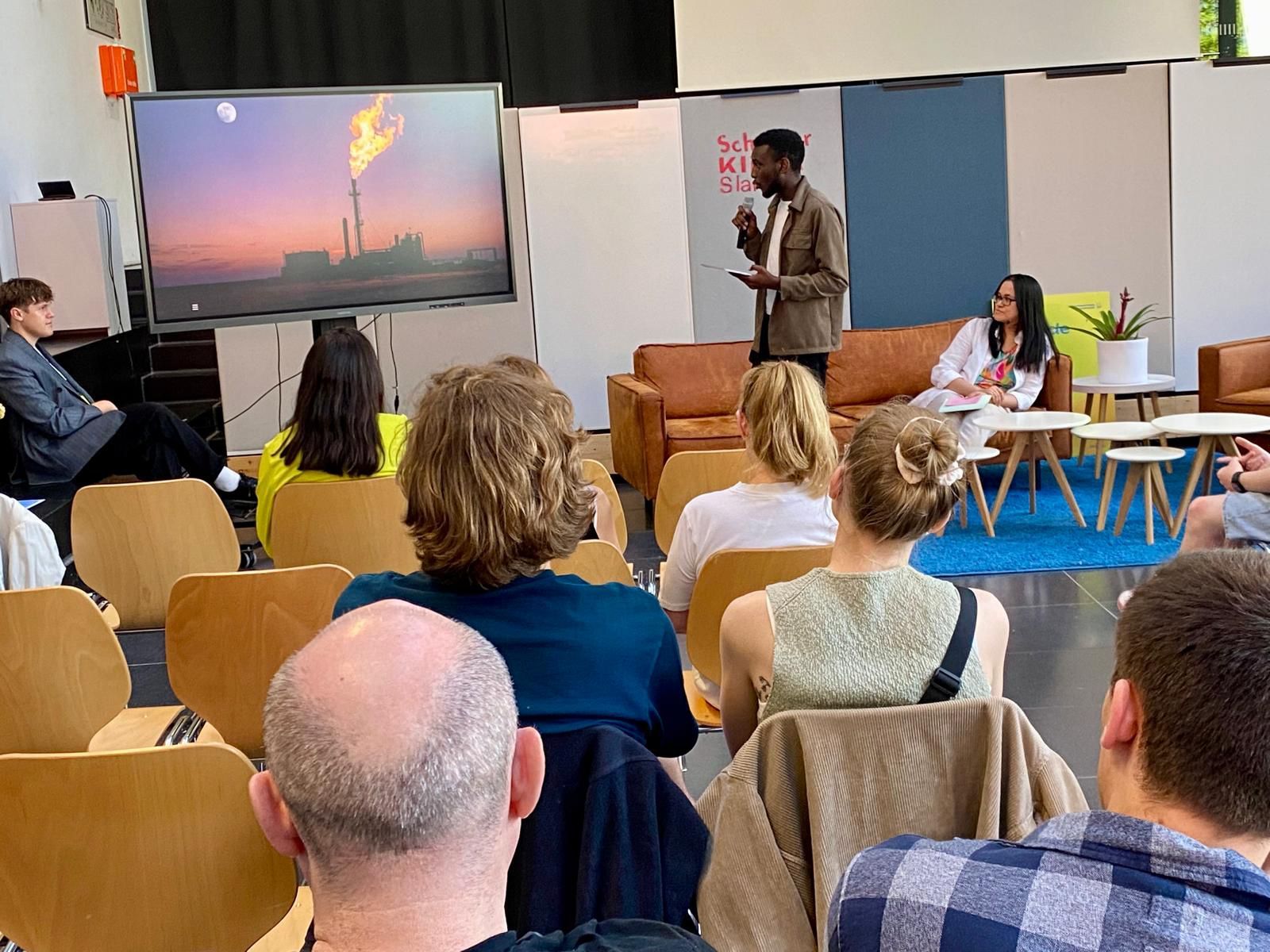
Leading a workshop at LCOY Germany 2026
In October I led a workshop at LCOY Germany, the Local Conference of Youth, in Munich, where young people meet to talk about climate action and prepare for the UN climate conference (COP).
My workshop was called “Education Partnerships for Climate Action Across Continents: From Global Knowledge Exchange to Local Youth-Led Action.”
The question we worked on
How can young people, universities, organisations and communities in different parts of the world work together on climate education in a way that is fair, not one-sided?
Climate knowledge exists everywhere. A young person in Uganda may understand drought through their family’s farm. A young person in Germany may understand climate policy. Both are forms of knowledge. Too often, partnerships treat one side as the teacher and the other as the learner.
How the workshop worked
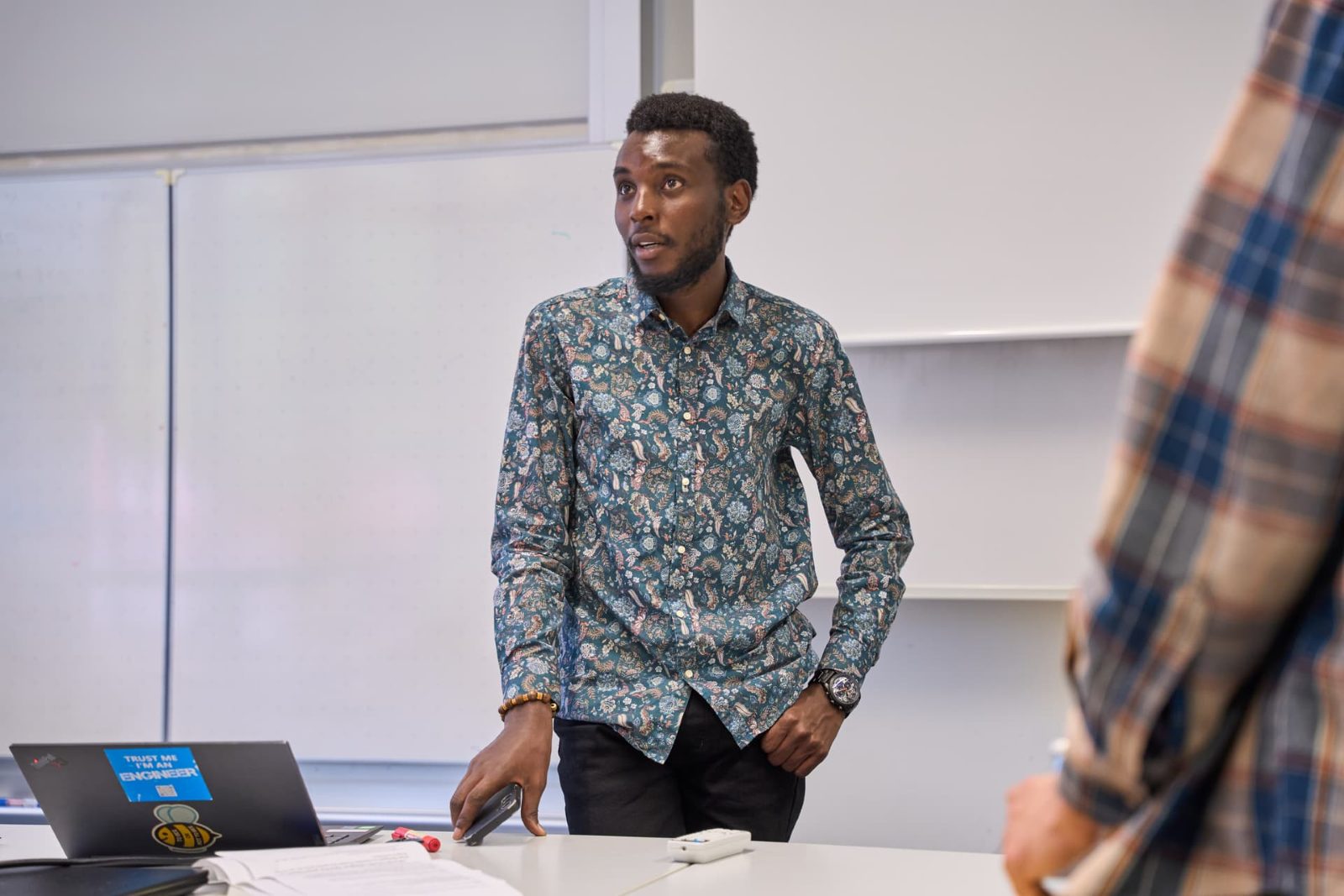
It wasn’t a lecture. It was a design workshop:
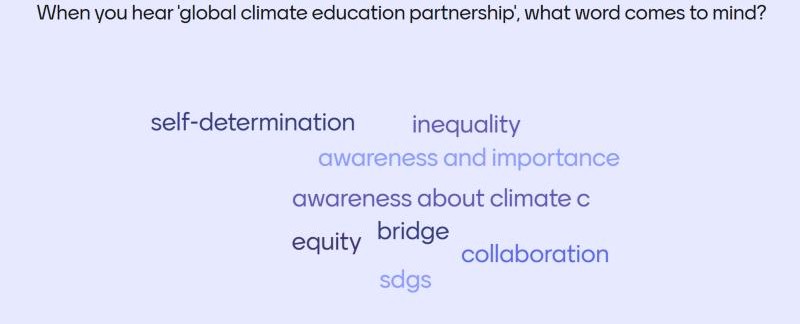
- We started with live questions. Using Mentimeter, participants shared their thoughts anonymously from their phones.
- We looked at the problem together: why many partnerships feel unequal, and why being “invited” is not the same as being “included”.
- Groups designed their own partnerships. In small groups, participants picked a real climate challenge, such as water scarcity, urban heat or climate education in schools, designed a partnership between two regions of the world, and presented it to the room.
- We closed with a framework: the RSA Partnership Compass, seven principles for fair partnerships.
What participants told us
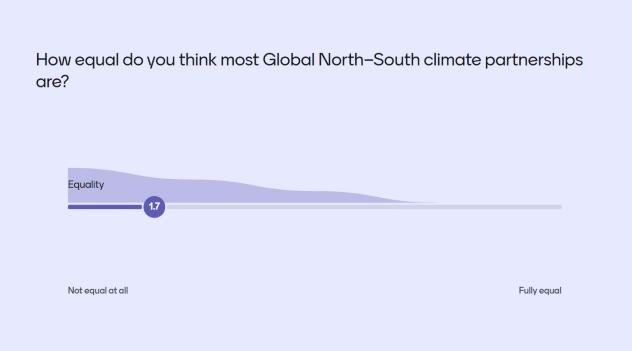
- Asked how equal most Global North–South climate partnerships are, participants gave an average of 1.7 out of 5.
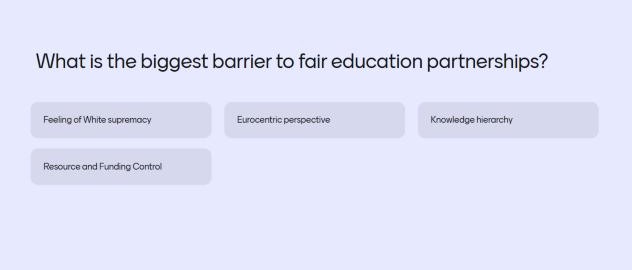
- The biggest barriers they named were Eurocentric perspectives, knowledge hierarchies and control over funding.
- Asked whether they had seen young people invited to take part without real decision-making power, the room was split evenly.
The seven principles we took home
A fair climate education partnership should be:
- Mutual: knowledge flows in both directions
- Youth-led: young people help shape the agenda
- Locally grounded: it responds to real community needs
- Accessible: language, cost and internet access are considered
- Accountable: roles and responsibilities are clear
- Action-oriented: learning leads to real action
- Long-term: the relationship continues after one event
What I took away
A partnership is not equal just because people from different continents are in the same room. It becomes equal when decisions, knowledge, resources and recognition are shared.
This is the idea behind my work with the Rolfes SDG Academy, where young people from many countries learn from each other, not just from experts.
The future of climate education is not one region teaching the world. It is the world learning with itself.
Thank you to everyone who took part, and to the LCOY Germany team for the space.
Published 18 October 2026